Soft trim around a window or door is not a cosmetic issue. It is a moisture problem. When exterior trim starts to swell, crack, or feel spongy under a screwdriver, water has already been getting in for a while.
In Washington, that usually means rot is working its way into the trim, the sheathing behind it, and sometimes the framing. Catch it early and the repair is straightforward. Wait too long and you are opening walls.
Why exterior trim fails
Exterior trim takes a beating. It sits at the joint between siding and window or door frames. That joint depends on tight flashing, solid caulking, and good paint.
Here is what usually goes wrong:
- Caulk dries out and cracks.
- Paint fails and exposes raw wood.
- Improper flashing lets water sneak in behind the trim.
- End grain is left unsealed and soaks up rain like a sponge.
Once water gets behind the trim, it does not dry quickly in our climate. The wood stays damp. Fungi move in. Rot spreads along the grain. By the time you see bubbling paint or black staining, the damage is already established.
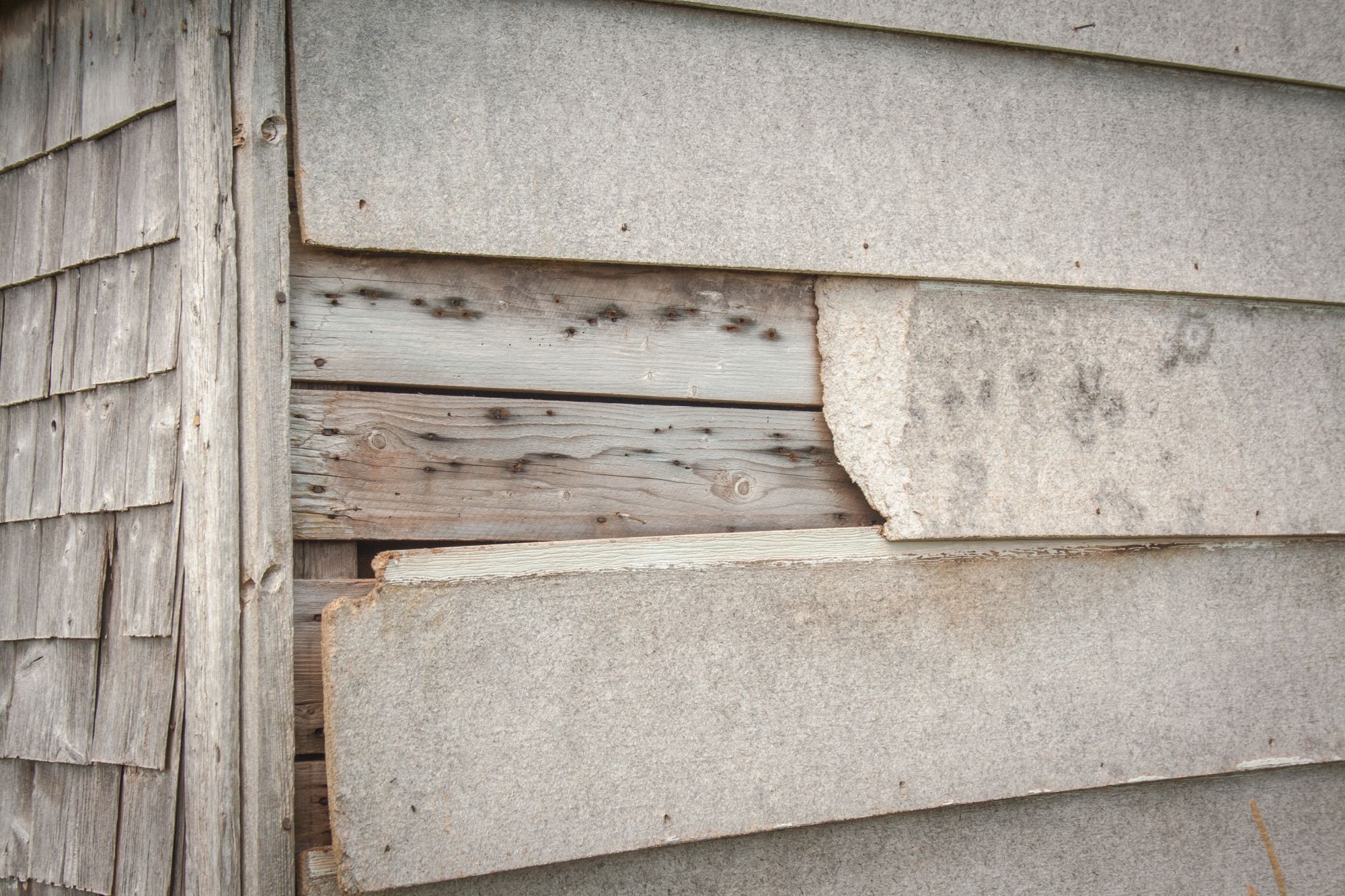
If the siding next to the trim is wavy or soft, the problem may extend beyond the boards. In that case, it often turns into a larger siding repair project.
How we diagnose the problem
As a licensed home inspector, I do not guess. I probe.
We use an awl or screwdriver to test the wood at the bottom corners first. That is where water collects. If the tool sinks in easily, the trim is compromised.
Next, we check:
- The caulk joints along the top and sides.
- The condition of the paint film.
- The flashing detail above the window or door.
- The siding edges that butt into the trim.
Sometimes the rot is limited to a small section of brick mold or flat stock. Other times, the sheathing behind the trim is soft, which means the wall has been wet for a while.
The fix: probe, open, remove, replace, prime
We follow a simple process.
1. Probe
We define the full extent of the rot. There is no point patching over damaged wood. If it is soft, it comes out.
2. Open
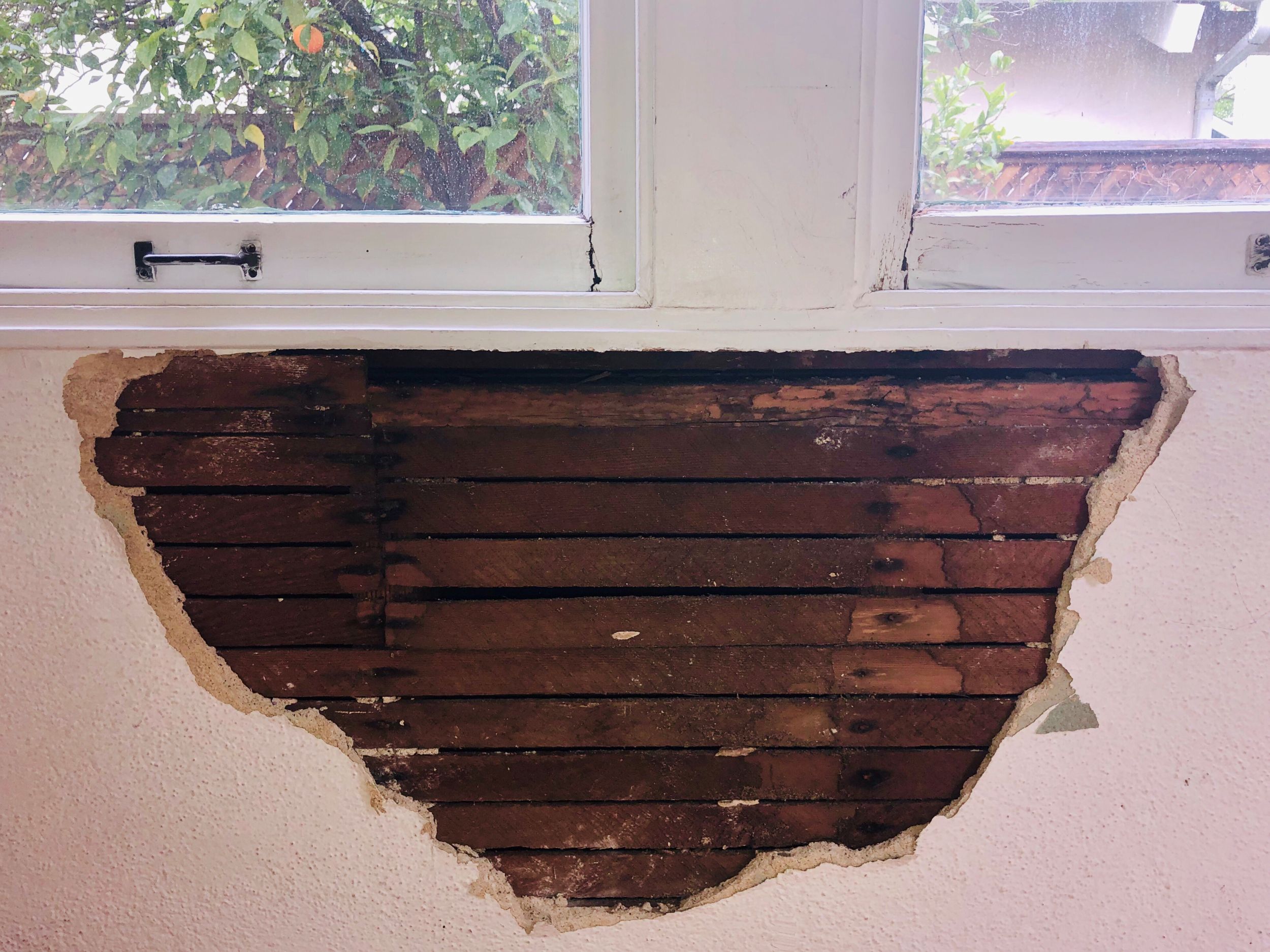
We carefully remove the affected trim and inspect what is behind it. If the sheathing is solid, we move on. If not, we address that before closing anything up.
If framing or structural members are affected, that shifts into a more involved repair similar to our dry rot repair work.
3. Remove
All rotted material gets cut back to solid wood. We do not leave damp fibers in place. That is how repairs fail.
4. Replace
We install new primed trim, properly flashed and sealed. That includes:
- Installing or correcting metal head flashing.
- Sealing end grain before installation.
- Leaving proper clearances from roofing or concrete.
- Using high-quality exterior caulk at all joints.
If the damage started because the original window installation was poor, we may recommend a deeper window repair to correct the root cause.
5. Prime and paint
Every cut edge gets primed before paint. Paint is not decoration. It is your first layer of defense against water. If your exterior coating is failing in multiple areas, it may be time to look at professional exterior painting to properly seal and protect the structure.
Why quick patches fail
Hardware store wood filler has its place. Exterior structural trim is not that place when rot is active.
If you smear filler over damp wood, the moisture stays trapped. The rot keeps spreading behind the patch. Within a year or two, the paint bubbles again and the wood softens further.
The only lasting repair is removal and replacement of damaged material, followed by proper sealing and flashing.
When to call for help
Call if you notice:
- Soft spots at the bottom corners of windows or doors.
- Peeling paint that returns quickly after repainting.
- Gaps opening between trim and siding.
- Black or dark staining that keeps coming back.
Water intrusion does not fix itself. It works quietly and spreads.
We focus on maintenance that keeps houses standing. That means fixing rot before it reaches framing and before you are budgeting for wall reconstruction.
If you have soft trim or suspect water damage around a window or door, schedule an inspection. We will find the source, remove what is damaged, and rebuild it correctly so the problem does not return.