# Spring gutter overflow: the hidden cause of siding and rot damage
## The problem starts at the roof edge
Most homeowners don’t think much about gutters until water spills over the side. By then, the damage has already started in the form of dry rot. Overflowing gutters dump water directly onto siding, trim, and the base of your home. That constant moisture doesn’t dry out fast in the Pacific Northwest, and that’s where problems begin.
You might see a little staining or peeling paint. Maybe a corner board feels soft. Those are early signs that water is getting where it shouldn’t.
## Why gutter overflow causes real damage
Gutters are supposed to control water and move it away from your house. When they clog with debris or can’t keep up with heavy rain, water spills over the front edge. Instead of being directed away, it runs down the exterior wall.
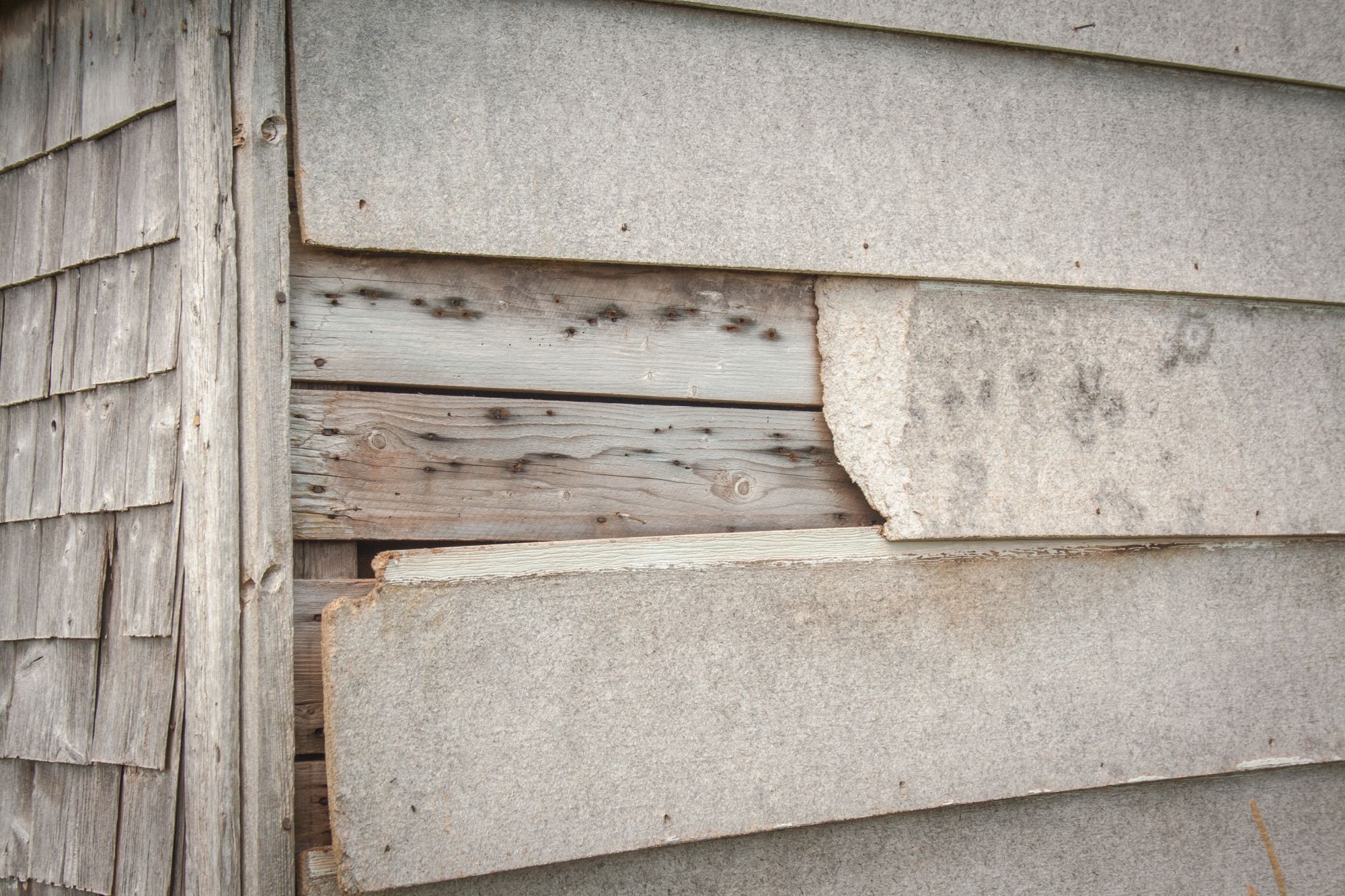
That repeated soaking breaks down paint and caulking first. Once those fail, water reaches the wood underneath. From there, it can soak into trim, siding, and even the framing behind it.
This is how small exterior issues turn into structural repairs.
Common trouble spots include:
* Corners where two walls meet
* Areas below roof valleys
* Around windows and door trim
* Behind downspouts that overflow or clog
If you’ve got mulch or soil close to siding, that moisture stays even longer and speeds up decay.
## What we look for on site
When we inspect a home with suspected water damage, we don’t just look at the surface. Paint failure is just the starting point.
We check:
* Soft or swollen wood in trim and siding
* Loose or pulling boards
* Failed caulking at joints and seams
* Signs of moisture getting behind the siding
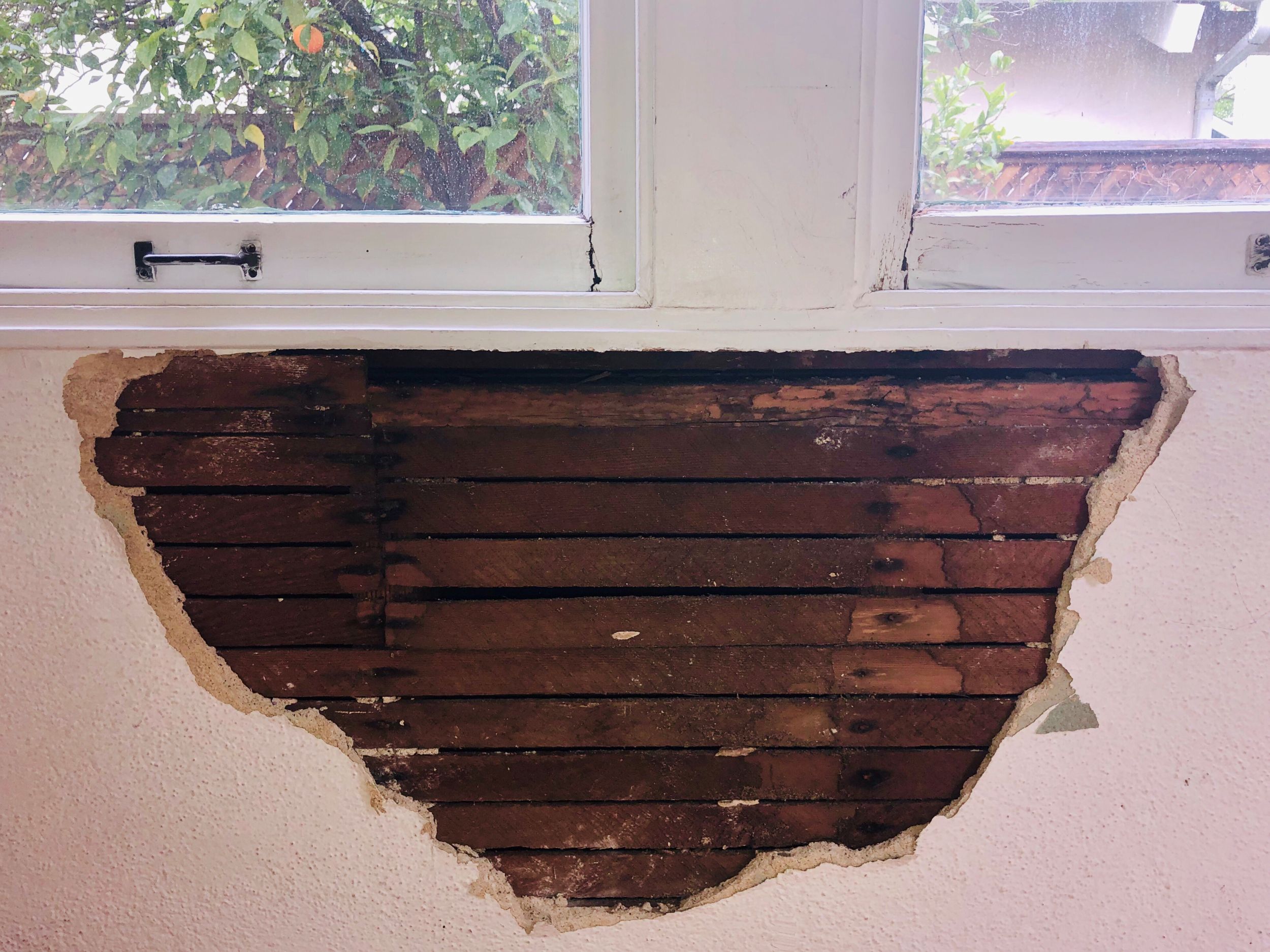
In many cases, the visible damage is only a portion of the problem. Water travels. What looks like a small soft spot can extend into sheathing or framing.
That’s why repairs need to go beyond surface fixes.
## The fix: stop the water, then repair the damage
There’s no point replacing wood if water is still pouring over the edge of your gutters. The first step is always controlling the source.
That usually means cleaning, adjusting, or repairing the gutter system so water flows where it should.
Once that’s handled, we move into the repair process.
Our approach is simple and direct:
* Probe the damaged area to find the full extent of the rot
* Open up the section to expose hidden damage
* Remove all decayed wood
* Replace with solid, primed lumber that matches the existing profile
* Seal joints and prep the area for paint
If the damage has spread into multiple areas, we may also address sections of siding or trim at the same time. You can learn more about how we handle [siding and exterior repairs](https://handyhomerepair.biz/services/siding-and-exterior-repairs/) when water gets behind the surface.
For deeper decay, especially where wood has softened or crumbled, a focused [dry rot repair](https://handyhomerepair.biz/services/dry-rot-repair/) is often needed to restore the structure underneath.
We don’t replace more than necessary. The goal is to remove the problem, fix the cause, and leave you with a solid exterior.
## Why this gets expensive if ignored
Water damage doesn’t stay in one place. It spreads through connected materials.
Trim leads to siding. Siding leads to sheathing. Sheathing leads to framing.
What starts as a minor repair can turn into opening up walls, replacing structural members, and dealing with interior damage as well.
We’ve seen small gutter issues lead to thousands in repairs simply because they were left alone too long.
## What you can do right now
You don’t need a full inspection to catch early warning signs. A quick walk around your home during or after heavy rain tells you a lot.
Look for:
* Water spilling over gutter edges
* Dark streaks or staining on siding
* Peeling paint near rooflines
* Soft or swollen trim boards
If you see any of these, it’s worth addressing before the next stretch of wet weather.
## When to call for help
If the wood feels soft, looks swollen, or is starting to break apart, the damage is already in progress. At that point, cleaning the gutters alone won’t fix it.
We handle this type of repair work every week. The process starts with a clear inspection and a written estimate so you know exactly what needs to be done.
Send a few photos and a short description of what you’re seeing. We’ll review it and let you know the next step.
Fix the water problem. Fix the wood. Keep the house standing.
Ready to get your home repairs started?
Share a few details about your project and we will follow up to schedule an on site visit.